Have you ever wished you had a magical decoder to unravel the mysteries of your cat’s quirky behaviors? Cats, with their enigmatic and complex behaviors, can often leave even the most dedicated cat owners scratching their heads. Fear not! We’re diving deep into the fascinating world of cats to decode and explain some of their most perplexing actions.
The Soothing Symphony: Why Cats Purr
Purring is a signature sound that almost every cat makes, yet it remains one of the most mystifying aspects of their behavior. “Cats often purr when they’re content and relaxed, yet purring also serves as a self-soothing mechanism during stress or injury,” explains JoAnna Pendergrass, DVM, a veteran veterinarian from Atlanta. The gentle vibrations of a mother cat’s purr not only guide her kittens to safety and nourishment but also play a crucial role in social interactions among cats and their human families. Whether your cat is purring for comfort, communication, or companionship, it’s a multifaceted behavior worth paying attention to.
Belly Display: A Trust or a Trap?
One of the most misleading signals a cat can send is the exposure of its belly. Picture this: your beloved cat, Max, stretches languidly and displays his fluffy belly, tempting you to stroke it. However, this seemingly inviting gesture often ends with a swift retraction—complete with a paw swipe or a gentle nip. “This is a complex display of trust rather than an outright invitation for belly rubs,” says Sam Meisler, DVM, founder of PetWellClinic. Understanding this can deepen the bond between you and your cat, as you learn to respect their unique way of expressing comfort and trust.
Tail Tales: Decoding the Swishes and Swats
Unlike dogs, when a cat wags its tail, it often signifies agitation or warning rather than joy. “A wagging tail can indicate excitement, annoyance, or frustration,” notes Evelyn Kass, DVM. Observing the specific movements of a cat’s tail can give you insight into their mood and intentions, whether they’re poised to pounce or signaling for you to back off.
The Art of Cat Naps
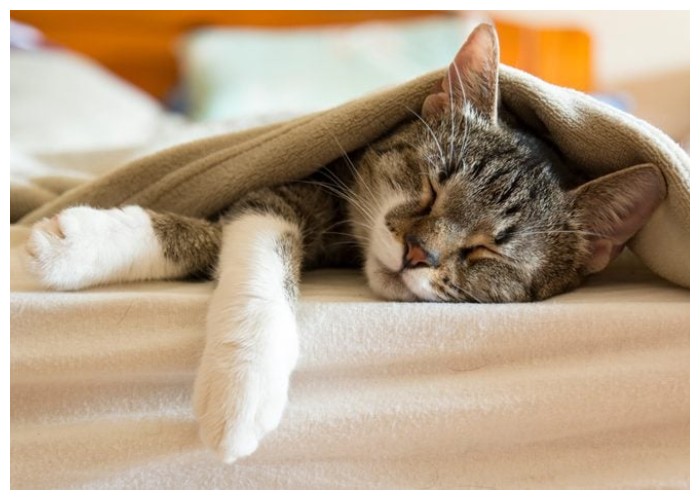
Cats are notorious for their love of sleep, but this behavior has evolutionary roots. “Cats conserve energy through sleep, a trait developed for hunting efficiency,” explains Dr. Meisler. Even domestic cats, who no longer need to hunt, inherit this trait and often seek out the warmest spot in the house, be it a sunny window ledge or a cozy laptop keyboard.
Chirping: A Call of the Wild
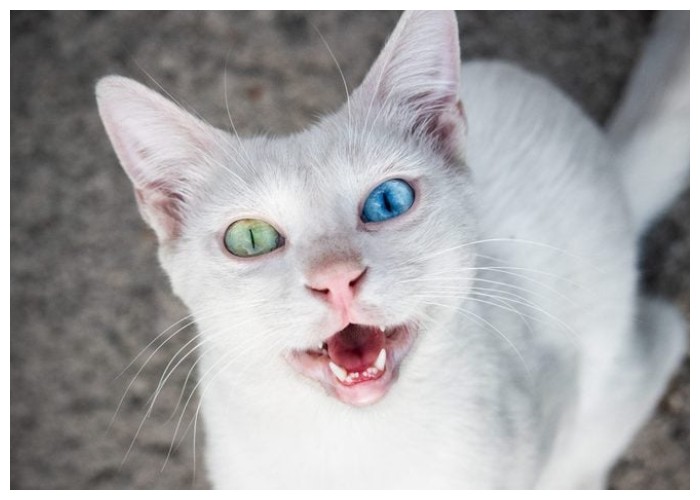
Chirping is another behavior that illustrates the complexity of feline communication. Often observed when a cat is bird-watching from a window or encountering familiar faces, chirping can indicate predatory excitement or social pleasure. “Chirping activates a cat’s hunting instinct or serves as a friendly greeting,” Dr. Meisler elaborates. Understanding these sounds can help you better engage with your cat’s natural instincts and social behaviors.
Conclusion: Embracing the Enigma
By understanding these common yet confusing behaviors, cat owners can foster a more empathetic and enriching relationship with their feline friends. Remember, every cat is unique, and part of the joy of living with them comes from decoding their mysterious ways and learning to appreciate their distinctive personalities. Decode your cat’s behaviors not just to coexist but to thrive together in mutual understanding and respect.